
Caring for a Long-Haired Cat

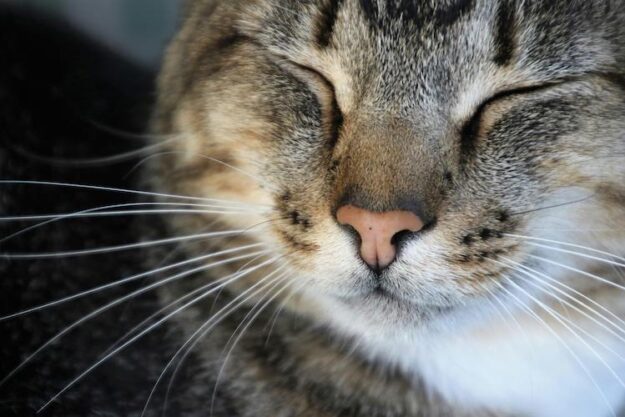
When we acquire a long-haired cat, we also agree to become an expert cat groomer. A long-haired cat companion needs our help with coat maintenance to keep it glossy, reduce hairballs, and promote a calm, content demeanor. A routine of regular grooming sessions reduces the chance of a long-haired cat developing fur-related behavior problems. This…

The History of Cat Breeds: The Russian Blue

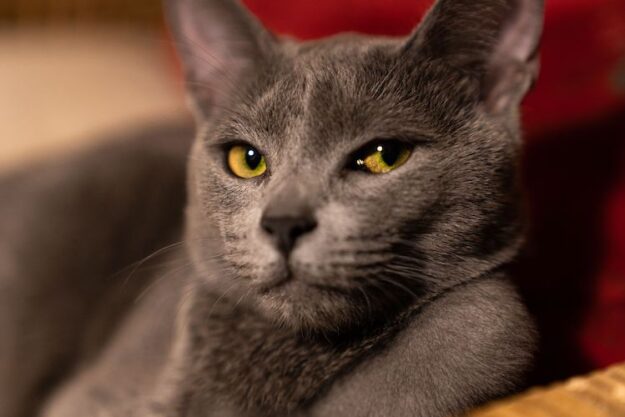
The history of the domestic cat began about eight thousand years ago when cats first started hanging around human settlements because they provided easy access to food and shelter. Cats would eat the rodents that threatened our grain stores and sleep in our barns. In other words, the cat chose to seek out human companionship…

Food Sensitivities in Cats

Food sensitivities can quietly undermine your cat’s health and comfort. They show up as skin troubles, digestive upset, or a general decline in well‑being. At first, changes may be subtle: your cat might scratch a bit more, develop a patchy coat, become a picky eater, or have occasional vomiting or loose stools. Over time, these…

Why do cats sleep so much?

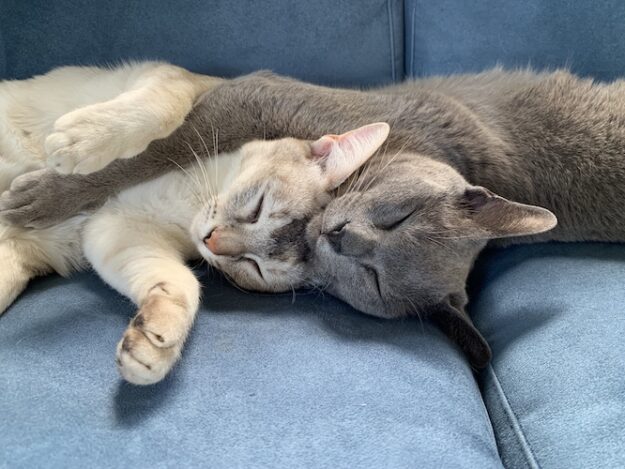
Healthy adult cats sleep an average of 15 hours per day, and simply put, daytime sleeping is instinctual feline behavior. Cats are natural predators, and the birds and rodents they live on are both quick and elusive. Therefore, cats in the wild must work hard to meet their dietary needs. To achieve the necessary speed…

What is a Tuxedo Cat?

Tuxedo does not refer to a specific cat breed but to a two-color coat pattern. The nature of the color pattern makes it look like the cat is wearing a tuxedo, hence the name. For that reason, most people think of a tuxedo cat as black and white, and it might surprise you to learn…